Quick Links
Baitul Maal
Baitul Maal at Rahmah Foundation is a trusted and transparent system for collecting and managing Islamic charity in accordance with Shariah. Every contribution, including Zakat, Sadaqah, Fidya, and Fitrana, is treated as an Amanah (sacred trust) and handled with care and responsibility.
These funds are distributed through verified programs in food, healthcare, education, and welfare support. This ensures that donors fulfill their religious obligations while help reaches deserving individuals and families with dignity, fairness, and compassion.
Our Work
Rahmah Foundation’s Baitul Maal operates with the core values of Amanah (Trust), Adl (Justice), and Rahmah (Mercy).
We receive and distribute donations under distinct Islamic categories, maintaining full separation and accountability between each fund type. This ensures every rupee is used exactly as intended by Shariah — nothing more, nothing less.
The Baitul Maal funds multiple humanitarian programs, including:
- Feeding the poor and supporting widows and orphans
- Providing healthcare assistance and education
- Offering financial aid to verified families in crisis
Each fund type has its own specific rules and eligible beneficiaries, as outlined below.
Program Details & Sponsorship Options
Zakat
What it is?
Zakat is one of the five pillars of Islam. It becomes obligatory upon a Muslim when their wealth reaches the Nisab threshold and remains in their possession for one lunar year. Zakat purifies wealth and ensures that those who are less fortunate are supported with dignity.
Allah ﷻ says in the Qur’an:
“Zakat expenditures are only for the poor, the needy, those employed to collect it, those whose hearts are to be reconciled, for freeing captives, for those in debt, in the cause of Allah, and for the traveler.”
(Surah At-Tawbah 9:60)
According to Hanafi fiqh, Zakat must be given directly to individuals who fall within the eligible categories mentioned in the Qur’an.
Who it helps
Your Zakat is distributed to individuals who qualify under the categories mentioned in the Qur’an, including:
- The poor (fuqara)
- The needy (masakin)
- Widows and orphans
- Individuals burdened with debts
- Families facing serious financial hardship
Use of Funds
- Zakat funds are distributed strictly to eligible individuals in accordance with Islamic rulings. This may include:
- Direct financial assistance to deserving families
- Medical support for patients who cannot afford treatment
- Educational support for students from Zakat-eligible households
- Food assistance and ration support for the poor
How you can contribute
- You may fulfil your Zakat obligation by:
- Paying your Zakat through Rahmah Foundation for verified beneficiaries
- Supporting families who qualify for Zakat assistance
- Contributing to the Zakat fund so that it may be distributed to deserving recipients
Important Note
Zakat funds are distributed only to individuals who qualify according to Islamic law. They are not used for buildings, infrastructure, mosque construction, or administrative expenses, in accordance with the principles of Hanafi fiqh.
Sadaqah
What it is
Sadaqah is voluntary charity given for the sake of Allah ﷻ. It may be offered at any time and in any amount. Through Sadaqah, Muslims support those in need and earn reward from Allah.
The Messenger of Allah ﷺ said:
“Charity does not decrease wealth.”
(Sahih Muslim)
Sadaqah is a means of bringing relief to people and strengthening compassion within the community.
Who it helps
- Sadaqah may be given to anyone in need, including:
- Individuals facing financial hardship
- Families struggling with daily expenses
- Students seeking education
- Members of the community requiring assistance
Use of Funds
- Sadaqah contributions support various welfare activities such as:
- Food distribution and ration support
- Healthcare and medical assistance
- Educational support for students
- Community welfare and relief initiatives
How you can contribute
You may offer Sadaqah by:
- Giving voluntary charity at any time
- Supporting community welfare programs
- Contributing regularly to charitable initiatives
Fidya (Compensation for Missed Fasts)
What it is
- Fidya applies to those who are unable to fast during Ramadan due to permanent reasons, such as chronic illness or old age, and who are not expected to regain the ability to fast.
- According to Hanafi fiqh, Fidya is fulfilled by feeding a poor person for each missed fast.
- This allows those who cannot fast to fulfil their responsibility while ensuring that someone in need receives nourishment.
Who it helps
Fidya is distributed to poor and needy individuals who struggle to obtain daily meals.
Use of Funds
Fidya contributions are used for:
- Preparing and distributing meals to the poor
- Providing ration support to needy families
- How you can contribute
You may fulfil Fidya by:
- Supporting meal distribution for the poor
- Contributing to food assistance for families in need
Important Note
Fidya is used strictly for feeding the poor in accordance with Islamic guidance.
Fitrana / Zakat al-Fitr (Charity before Eid)
What it is
Fitrana, also known as Zakat al-Fitr, is a charity given at the end of Ramadan before the Eid prayer. It purifies the fast and helps ensure that those in need are able to celebrate Eid with dignity.
The Messenger of Allah ﷺ instructed that Zakat al-Fitr be given before the Eid prayer so that the poor may benefit from it.
Who it helps
Fitrana is distributed to:
- Poor families
- Widows and orphans
- Individuals struggling to provide food during Eid
Use of Funds
Fitrana contributions are used for:
- Providing essential food to the poor
- Distributing ration support before Eid
- Ensuring families have access to food during the Eid period
How you can contribute?
You may fulfil your Fitrana obligation by:
- Paying Zakat al-Fitr on behalf of yourself and your dependents
- Supporting families who require assistance during Eid
- Contributing to Eid food distribution initiatives
Important Note
Fitrana is distributed before the Eid al-Fitr prayer, as prescribed in Islamic teachings, so that the needy may benefit from it in time for Eid.
Transparency & Impact
Our Baitul Maal operates with strict transparency, maintaining separate records for Zakat, Fidya, Fitrana, and Sadaqah. All distributions are made only after proper verification, ensuring Shariah compliance and responsible use of funds.
Rahmah Foundation carefully tracks and manages every donation to ensure it reaches verified families, students, and patients. With your support, these funds continue to create meaningful impact across food relief, healthcare, and education programs.
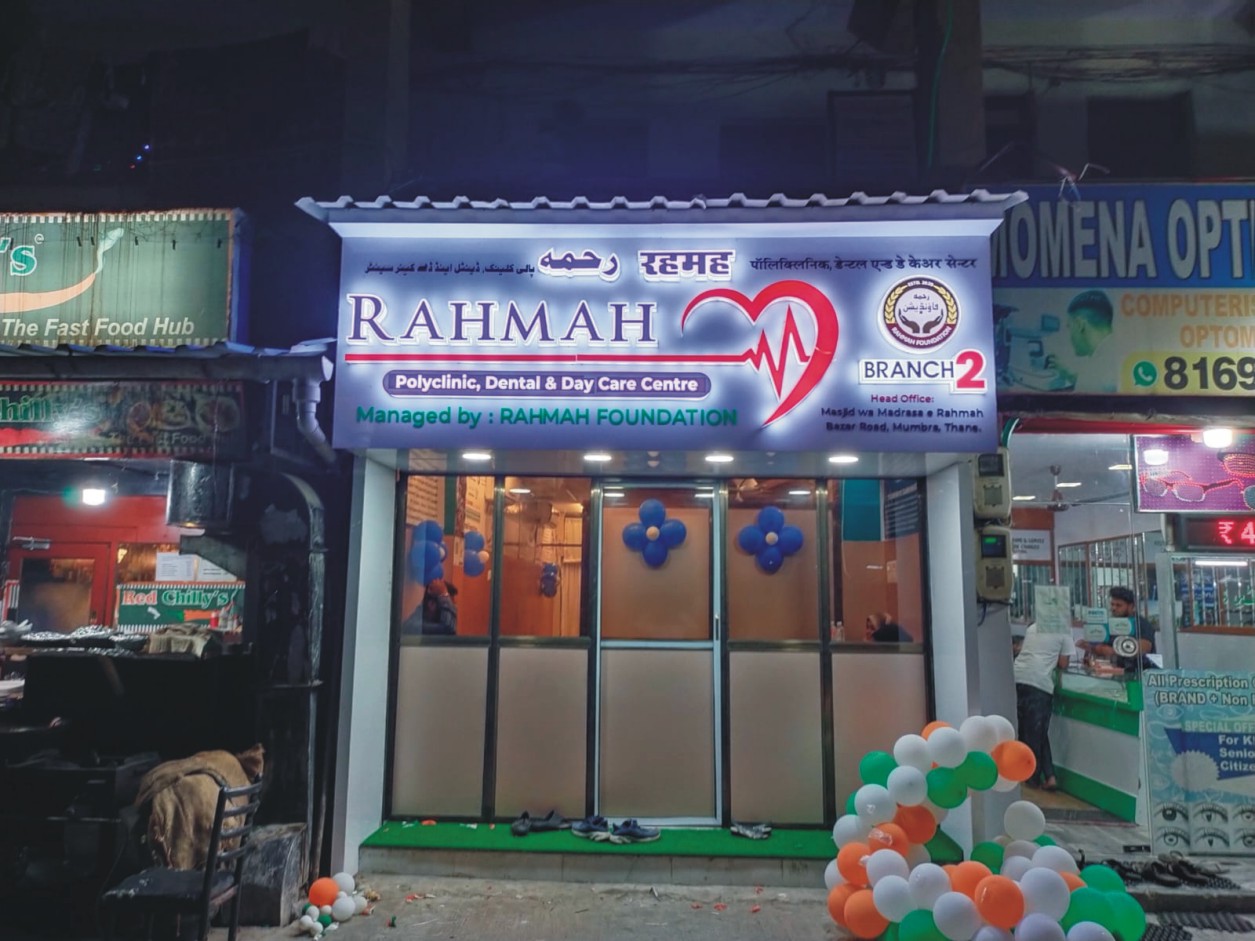
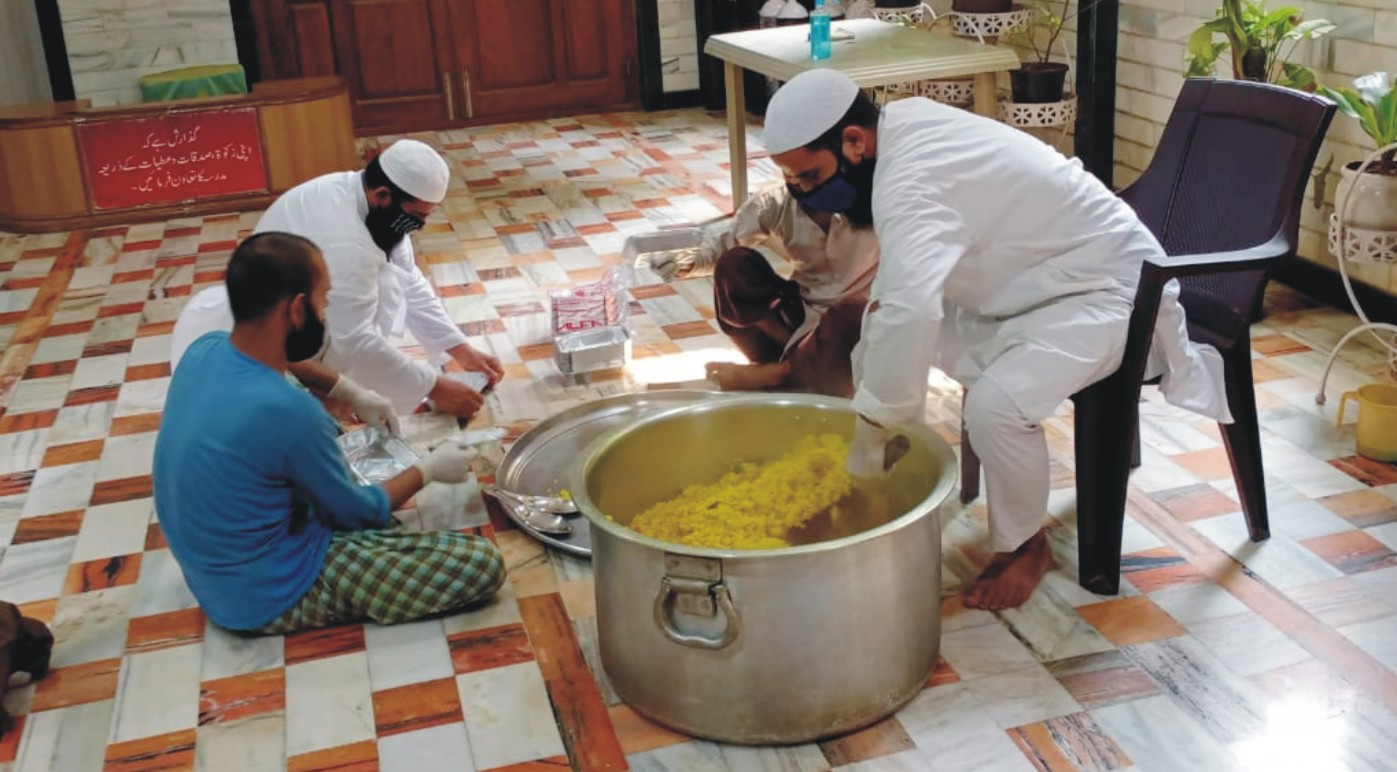
Gallery - Our Work in Action
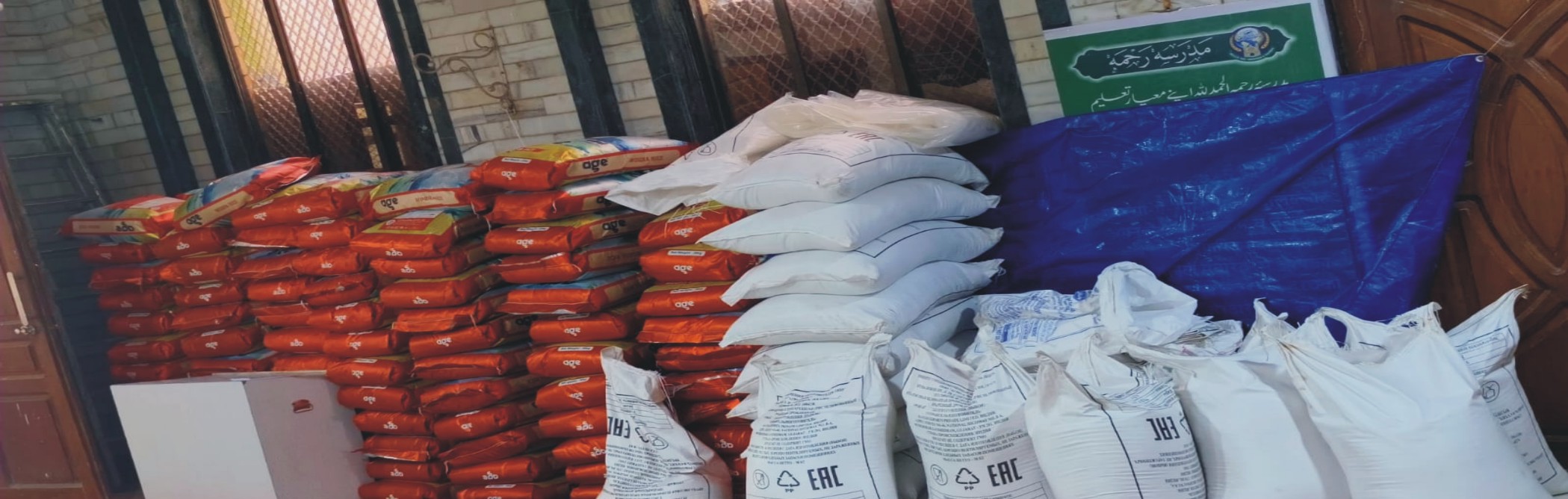
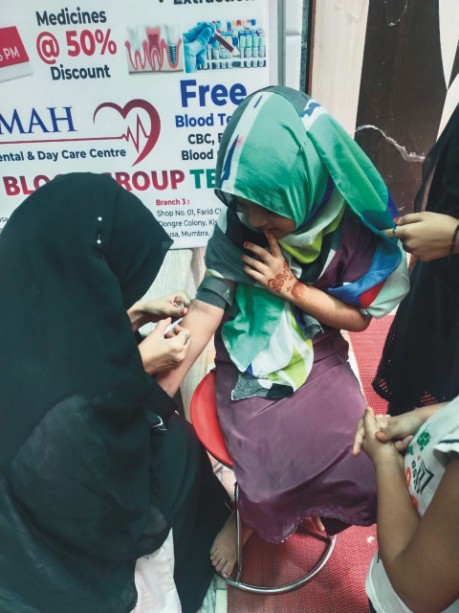
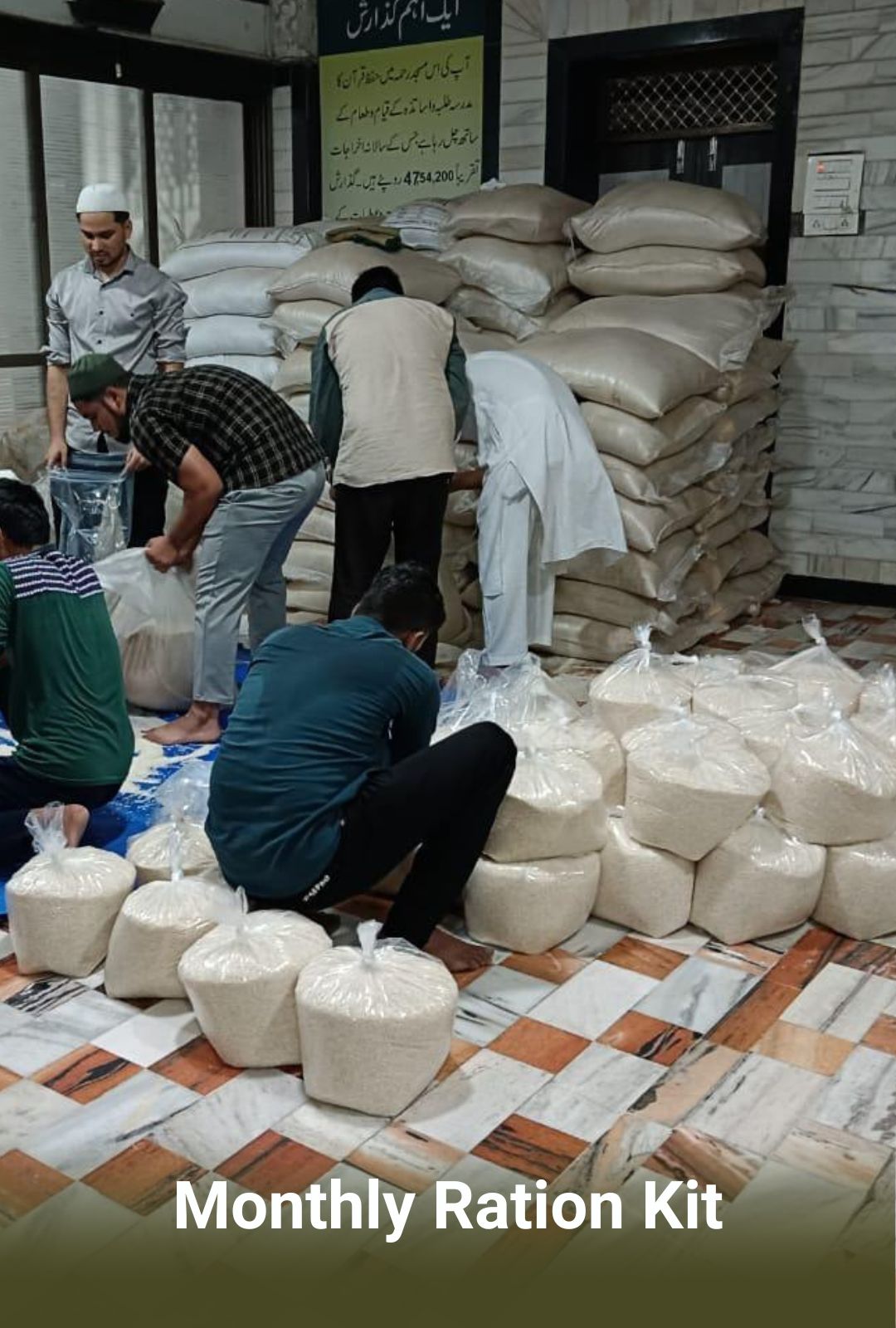
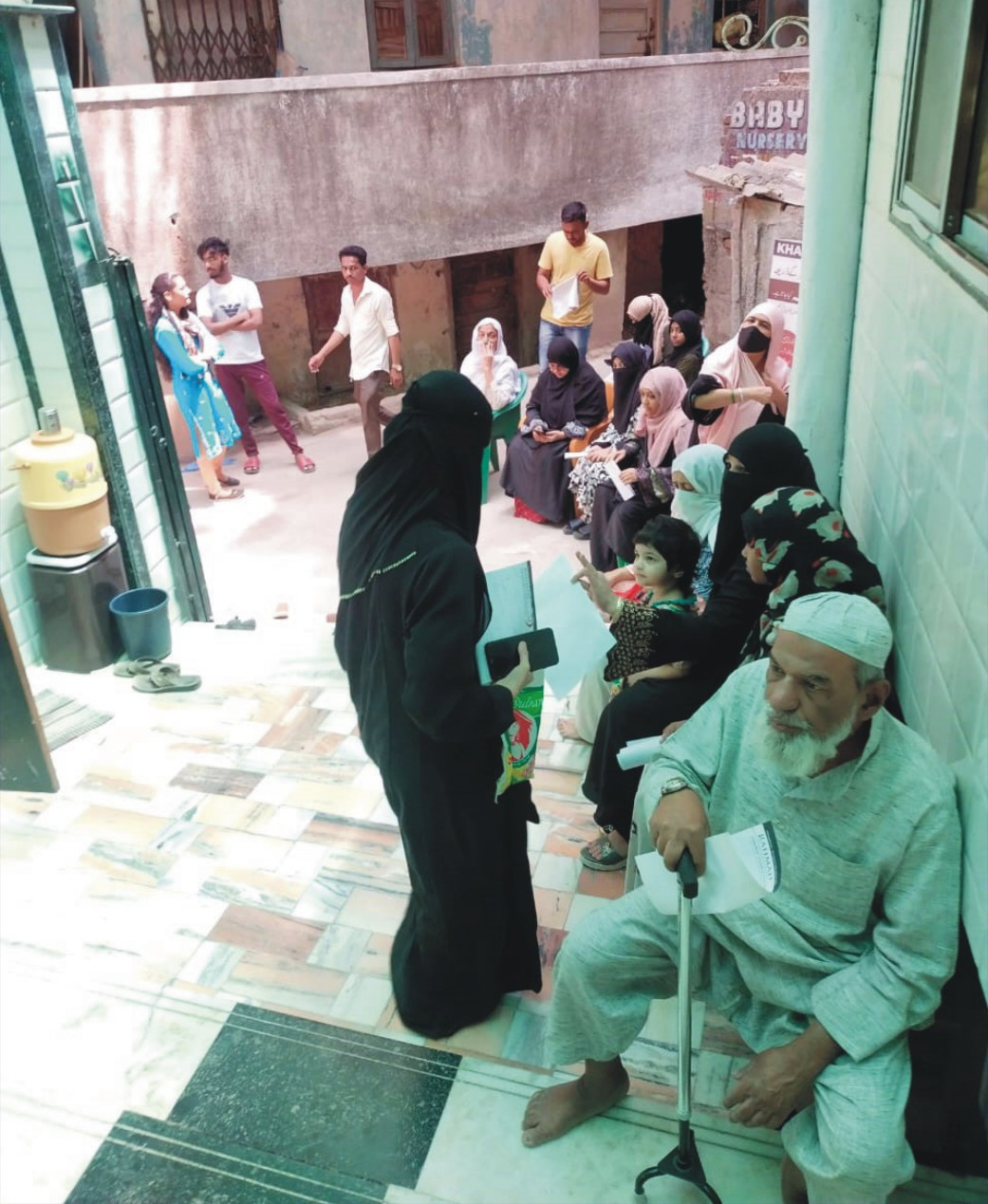
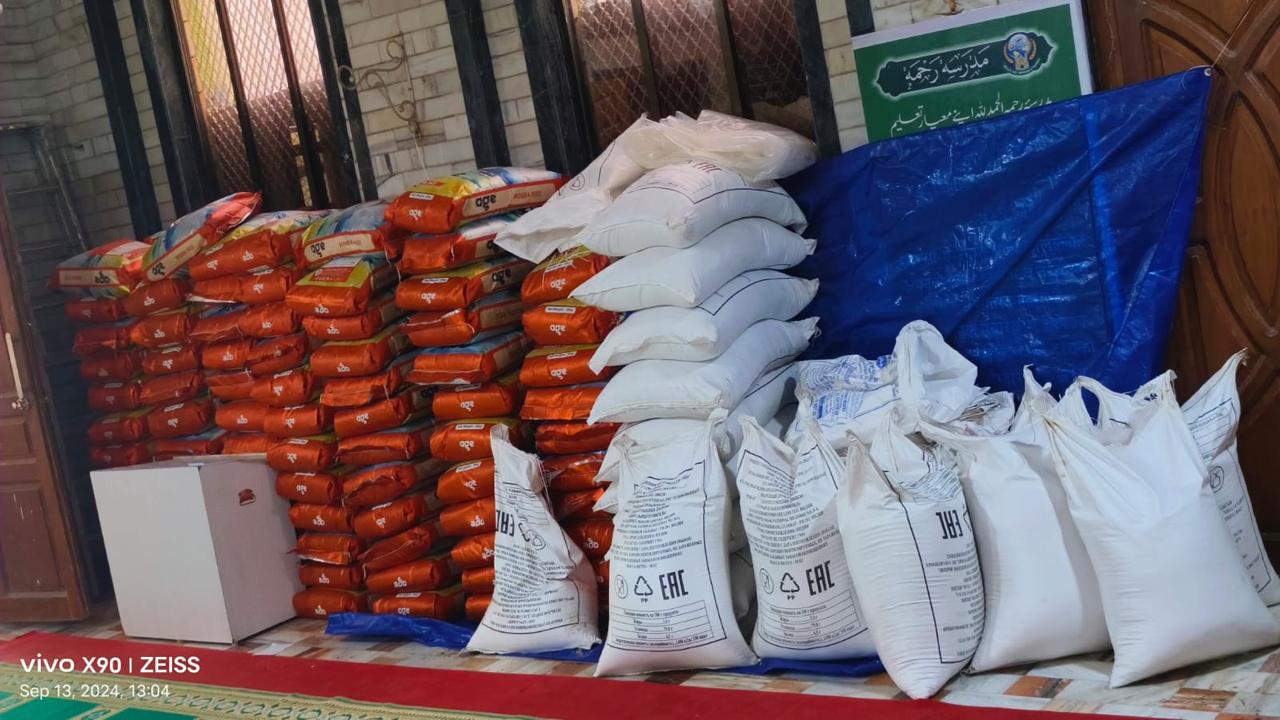
Explore moments of compassion brought to life through your contributions — food distributions during Ramadan, medical support for patients, and families receiving their rightful Zakat or Fidya assistance.
What you can do?
Your contribution to Rahmah Foundation’s Baitul Maal fulfills an obligation, spreads mercy, and changes lives. Whether you’re paying Zakat, giving Sadaqah, or fulfilling Fidya — your act of worship becomes relief for someone in need.
You can:
- Pay your Zakat through our verified fund
- Fulfill your Fidya or Fitrana obligations
- Offer Sadaqah or general charity to support ongoing welfare
- Become a monthly donor to sustain long-term programs
Quick Links
Baitul Maal
Baitul Maal at Rahmah Foundation is a trusted and transparent system for collecting and managing Islamic charity in accordance with Shariah. Every contribution, including Zakat, Sadaqah, Fidya, and Fitrana, is treated as an Amanah (sacred trust) and handled with care and responsibility.
These funds are distributed through verified programs in food, healthcare, education, and welfare support. This ensures that donors fulfill their religious obligations while help reaches deserving individuals and families with dignity, fairness, and compassion.
Our Work
Rahmah Foundation’s Baitul Maal operates with the core values of Amanah (Trust), Adl (Justice), and Rahmah (Mercy).
We receive and distribute donations under distinct Islamic categories, maintaining full separation and accountability between each fund type. This ensures every rupee is used exactly as intended by Shariah — nothing more, nothing less.
The Baitul Maal funds multiple humanitarian programs, including:
- Feeding the poor and supporting widows and orphans
- Providing healthcare assistance and education
- Offering financial aid to verified families in crisis
Each fund type has its own specific rules and eligible beneficiaries, as outlined below.
Program Details & Sponsorship Options
Zakat
What it is
Zakat is one of the five pillars of Islam. It becomes obligatory upon a Muslim when their wealth reaches the Nisab threshold and remains in their possession for one lunar year. Zakat purifies wealth and ensures that those who are less fortunate are supported with dignity.
Allah ﷻ says in the Qur’an:
“Zakat expenditures are only for the poor, the needy, those employed to collect it, those whose hearts are to be reconciled, for freeing captives, for those in debt, in the cause of Allah, and for the traveler.”
(Surah At-Tawbah 9:60)
According to Hanafi fiqh, Zakat must be given directly to individuals who fall within the eligible categories mentioned in the Qur’an.
Who it helps
Your Zakat is distributed to individuals who qualify under the categories mentioned in the Qur’an, including:
- The poor (fuqara)
- The needy (masakin)
- Widows and orphans
- Individuals burdened with debts
- Families facing serious financial hardship
Use of Funds
Zakat funds are distributed strictly to eligible individuals in accordance with Islamic rulings. This may include:
- Direct financial assistance to deserving families
- Medical support for patients who cannot afford treatment
- Educational support for students from Zakat-eligible households
- Food assistance and ration support for the poor
How you can contribute
You may fulfil your Zakat obligation by:
- Paying your Zakat through Rahmah Foundation for verified beneficiaries
- Supporting families who qualify for Zakat assistance
- Contributing to the Zakat fund so that it may be distributed to deserving recipients
Important Note
Zakat funds are distributed only to individuals who qualify according to Islamic law. They are not used for buildings, infrastructure, mosque construction, or administrative expenses, in accordance with the principles of Hanafi fiqh.
Sadaqah
What it is
Sadaqah is voluntary charity given for the sake of Allah ﷻ. It may be offered at any time and in any amount. Through Sadaqah, Muslims support those in need and earn reward from Allah.
The Messenger of Allah ﷺ said:
“Charity does not decrease wealth.”
(Sahih Muslim)
Sadaqah is a means of bringing relief to people and strengthening compassion within the community.
Who it helps
- Sadaqah may be given to anyone in need, including:
- Individuals facing financial hardship
- Families struggling with daily expenses
- Students seeking education
- Members of the community requiring assistance
Use of Funds
Sadaqah contributions support various welfare activities such as:
- Food distribution and ration support
- Healthcare and medical assistance
- Educational support for students
- Community welfare and relief initiatives
- How you can contribute
You may offer Sadaqah by:
- Giving voluntary charity at any time
- Supporting community welfare programs
- Contributing regularly to charitable initiatives
Fidya (Compensation for Missed Fasts)
What it is
Fidya applies to those who are unable to fast during Ramadan due to permanent reasons, such as chronic illness or old age, and who are not expected to regain the ability to fast.
According to Hanafi fiqh, Fidya is fulfilled by feeding a poor person for each missed fast.
This allows those who cannot fast to fulfil their responsibility while ensuring that someone in need receives nourishment.
Who it helps
Fidya is distributed to poor and needy individuals who struggle to obtain daily meals.
Use of Funds
- Fidya contributions are used for:
- Preparing and distributing meals to the poor
- Providing ration support to needy families
How you can contribute
You may fulfil Fidya by:
- Supporting meal distribution for the poor
- Contributing to food assistance for families in need
Important Note
Fidya is used strictly for feeding the poor in accordance with Islamic guidance.
Fitrana / Zakat al-Fitr (Charity before Eid)
What it is
Fitrana, also known as Zakat al-Fitr, is a charity given at the end of Ramadan before the Eid prayer. It purifies the fast and helps ensure that those in need are able to celebrate Eid with dignity.
The Messenger of Allah ﷺ instructed that Zakat al-Fitr be given before the Eid prayer so that the poor may benefit from it.
Who it helps
Fitrana is distributed to:
- Poor families
- Widows and orphans
- Individuals struggling to provide food during Eid
Use of Funds
Fitrana contributions are used for:
- Providing essential food to the poor
- Distributing ration support before Eid
- Ensuring families have access to food during the Eid period
How you can contribute
- You may fulfil your Fitrana obligation by:
- Paying Zakat al-Fitr on behalf of yourself and your dependents
- Supporting families who require assistance during Eid
- Contributing to Eid food distribution initiatives
Important Note
Fitrana is distributed before the Eid al-Fitr prayer, as prescribed in Islamic teachings, so that the needy may benefit from it in time for Eid.
Transparency & Impact
Our Baitul Maal operates with strict transparency, maintaining separate records for Zakat, Fidya, Fitrana, and Sadaqah. All distributions are made only after proper verification, ensuring Shariah compliance and responsible use of funds.
Rahmah Foundation carefully tracks and manages every donation to ensure it reaches verified families, students, and patients. With your support, these funds continue to create meaningful impact across food relief, healthcare, and education programs.
Gallery - Our Work in Action
Explore moments of compassion brought to life through your contributions — food distributions during Ramadan, medical support for patients, and families receiving their rightful Zakat or Fidya assistance.
What you can do?
Your contribution to Rahmah Foundation’s Baitul Maal fulfills an obligation, spreads mercy, and changes lives. Whether you’re paying Zakat, giving Sadaqah, or fulfilling Fidya — your act of worship becomes relief for someone in need.
You can:
- Pay your Zakat through our verified fund
- Fulfill your Fidya or Fitrana obligations
- Offer Sadaqah or general charity to support ongoing welfare
- Become a monthly donor to sustain long-term programs